
How much to feed a puppy
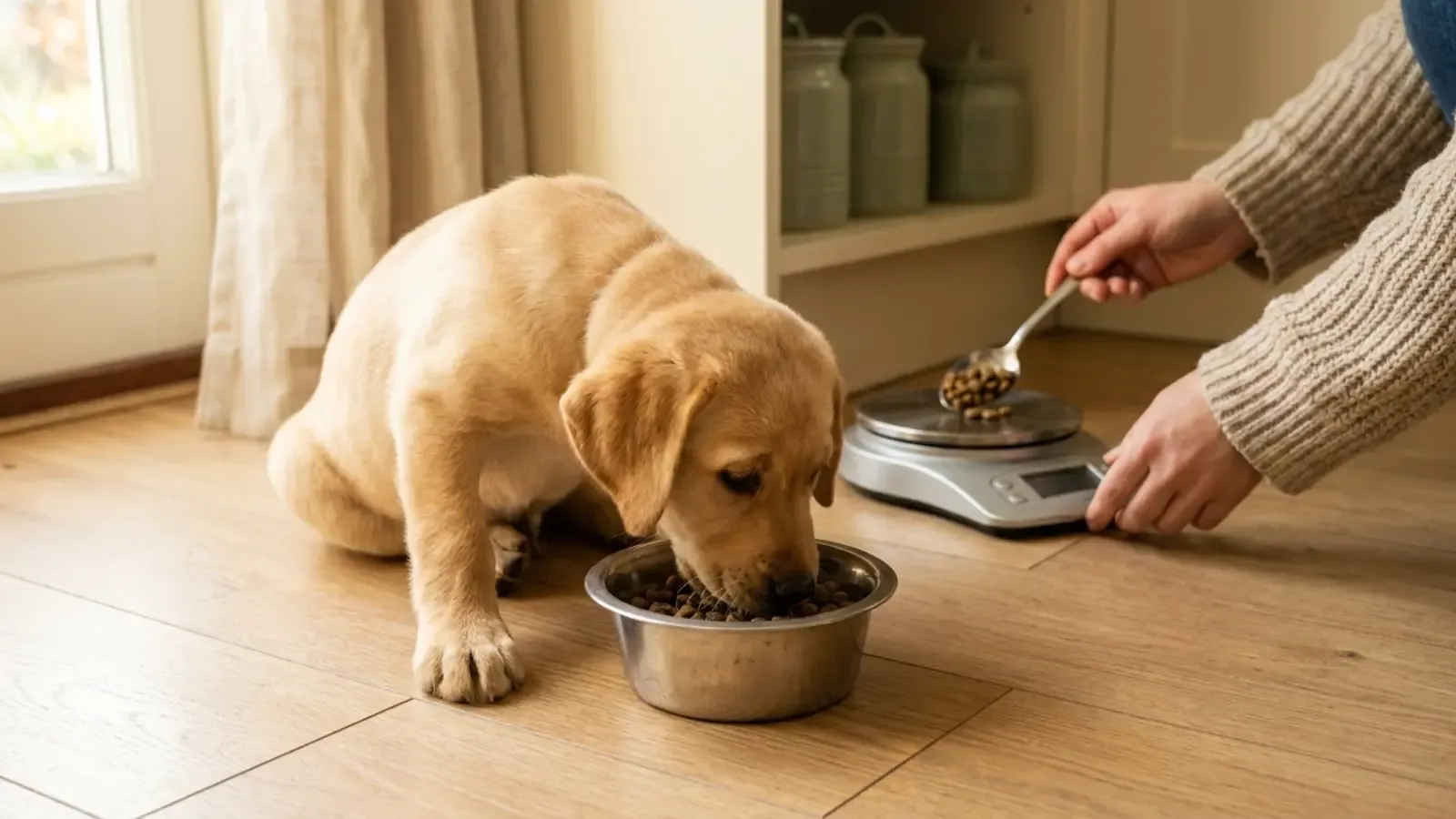
A puppy needs about twice as many calories per kilogram as an adult dog: roughly 3 × their resting energy until 4 months old, then 2 × until they’re grown. Split that into four meals a day until about 12 weeks, three until about 6 months and two after that. The feeding guide on your puppy food is a good start; your puppy’s body shape tells you whether to give more or less.
Here is how to work out a portion, a chart you can use today, and when to move on to adult food.
How much to feed a puppy, by weight
Vets estimate a dog’s daily calories from its resting energy requirement (RER):
RER = 70 × (weight in kg)0.75
For a growing puppy, the Merck Veterinary Manual suggests multiplying that by 3 under 4 months of age and by 2 from 4 months until adulthood. Use your puppy’s current weight, and redo the sum every couple of weeks as they grow.
| Puppy’s weight today | Under 4 months (3 × RER) | 4 months to adult (2 × RER) |
|---|---|---|
| 1 kg (2.2 lb) | about 210 kcal a day | about 140 kcal a day |
| 2 kg (4.4 lb) | about 350 kcal | about 235 kcal |
| 3 kg (6.6 lb) | about 480 kcal | about 320 kcal |
| 5 kg (11 lb) | about 700 kcal | about 470 kcal |
| 7.5 kg (16.5 lb) | about 950 kcal | about 630 kcal |
| 10 kg (22 lb) | about 1,180 kcal | about 790 kcal |
| 15 kg (33 lb) | about 1,600 kcal | about 1,070 kcal |
| 20 kg (44 lb) | about 1,990 kcal | about 1,320 kcal |
| 25 kg (55 lb) | not typical at this age | about 1,570 kcal |
| 30 kg (66 lb) | not typical at this age | about 1,800 kcal |
These are starting points. Merck notes that an individual dog can need up to 30% more or less than any formula predicts, which is why the body check below matters more than the number. Our dog calorie calculator gives a starting figure for your puppy’s exact weight; it uses one middle-of-the-road puppy multiplier (2.5 × RER), so expect a very young puppy to need a little more and an older one a little less.
Turning calories into grams or cups
Find the calorie content on the bag. It is usually printed as kcal per kg and sometimes kcal per cup.
grams a day = daily kcal ÷ kcal per kg × 1,000
For example, a 5 kg, 3-month-old puppy needs about 700 kcal. On a puppy food with 3,800 kcal/kg that is about 185 g a day: four meals of roughly 46 g. At 5 months and 7.5 kg the same food works out to about 630 kcal, or 165 g a day in three meals.
Weigh the food on a kitchen scale for the first few weeks. Scoops and cups are surprisingly inaccurate, and a little extra every meal adds up.
How much to feed a puppy, by age
Age changes two things: how many calories per kilogram your puppy needs, and how many meals they can handle. A small stomach and a growing body do best on small, frequent meals.
| Age | Meals a day | What to feed |
|---|---|---|
| 8–12 weeks | 4 | Puppy food, about 3 × RER, spread through the day |
| 3–6 months | 3 | Puppy food. The multiplier drops to about 2 × RER from 4 months |
| 6–12 months | 2 | Puppy food until they reach adult size |
| 12 months + | 2 | Small and medium breeds usually on adult food by now. Large and giant breeds may still be on large-breed puppy food |
Toy breeds can be prone to low blood sugar when young, so many vets keep them on three or four small meals for longer. Ask your vet if you have a very small puppy.
Why not leave a full bowl out?
Free feeding makes it hard to know how much your puppy eats, hard to keep them lean, and harder to house train, because set meals give you a predictable time for toilet trips. If you are working on that, our guide to potty training a puppy uses mealtimes as the anchor.
Large and giant breed puppies: lean is the goal
Puppies that will be big adults grow for longer, and they are the ones most harmed by overfeeding. Growing too fast, or getting too much calcium, is linked to bone and joint problems in large breeds.
- Choose a food for large-breed growth. VCA advises looking for an AAFCO statement that says the food is complete and balanced for growth, including growth of large-size dogs. These foods keep calcium in a narrower range.
- Don’t add calcium or other supplements to a complete puppy food unless your vet tells you to.
- Keep them slim. A lean large-breed puppy is not underfed. If you are unsure, ask your vet to show you what a good body condition feels like on your own dog.
Wondering how big your puppy will get? The puppy weight calculator gives an estimate of adult weight from their current weight and age.
Is your puppy getting the right amount?
The formula gets you close; your puppy tells you the rest. Check every week or two:
- Ribs: you should feel them easily with light pressure, under a thin layer of fat, but not see them sticking out.
- Waist: from above, there should be a visible narrowing behind the ribs.
- Tummy tuck: from the side, the belly should rise up towards the back legs.
- Weight: a steady upward line, without sudden jumps or stalls.
If the ribs are getting hard to find, cut the daily amount by about 10%. If they are getting easy to see, add about 10%. Recheck in a week or two.
Remember the treats. Training a puppy uses a lot of them, so keep treats to no more than about 10% of the day’s calories and use tiny pieces. Some owners simply set aside part of the day’s kibble for training. More on that in how many treats a dog can have.
When to call your vet: a puppy who skips more than one meal, vomits repeatedly, has diarrhoea for more than a day, seems weak or lethargic, or stops gaining weight needs to be seen. Young puppies can go downhill quickly.
When to switch to adult food
VCA recommends switching once a dog reaches about 80 to 90% of its adult size. That depends mostly on breed size:
| Adult size | Usually mature at |
|---|---|
| Small breeds | 6–8 months |
| Medium breeds | 9–12 months |
| Large breeds | 12–18 months |
| Giant breeds | up to 24 months |
Puppy food is richer than adult food, so staying on it long after growth has finished can lead to weight gain. Switching too early can short-change a large breed that is still growing. Your vet can help you judge the moment.
How to switch
Change over gradually across 7 to 14 days. Start with about 90% old food and 10% new, and shift the mix a little each day. If you see loose stools, vomiting or a drop in appetite, slow down. If it doesn’t settle within a day, call your vet.
Look for an adult food that says complete and balanced for adult maintenance (or for all life stages) on the label. Once your dog is fully grown, the energy multiplier drops to about 1.6 × RER for a typical neutered adult. Our guide on how many calories a dog needs covers adult portions.
Keeping it consistent
Puppies thrive on routine: meals at the same times, the same amounts, and the same person not feeding them a second breakfast. That gets harder with a busy household. In PetTrackr, each mealtime sits on the day’s plan for everyone to see and tick off, and your puppy’s weigh-ins are tracked as they grow, so you can spot a stall or a growth spurt early.
PetTrackr helps you keep track. It is not veterinary advice: if your pet seems unwell, call your vet.
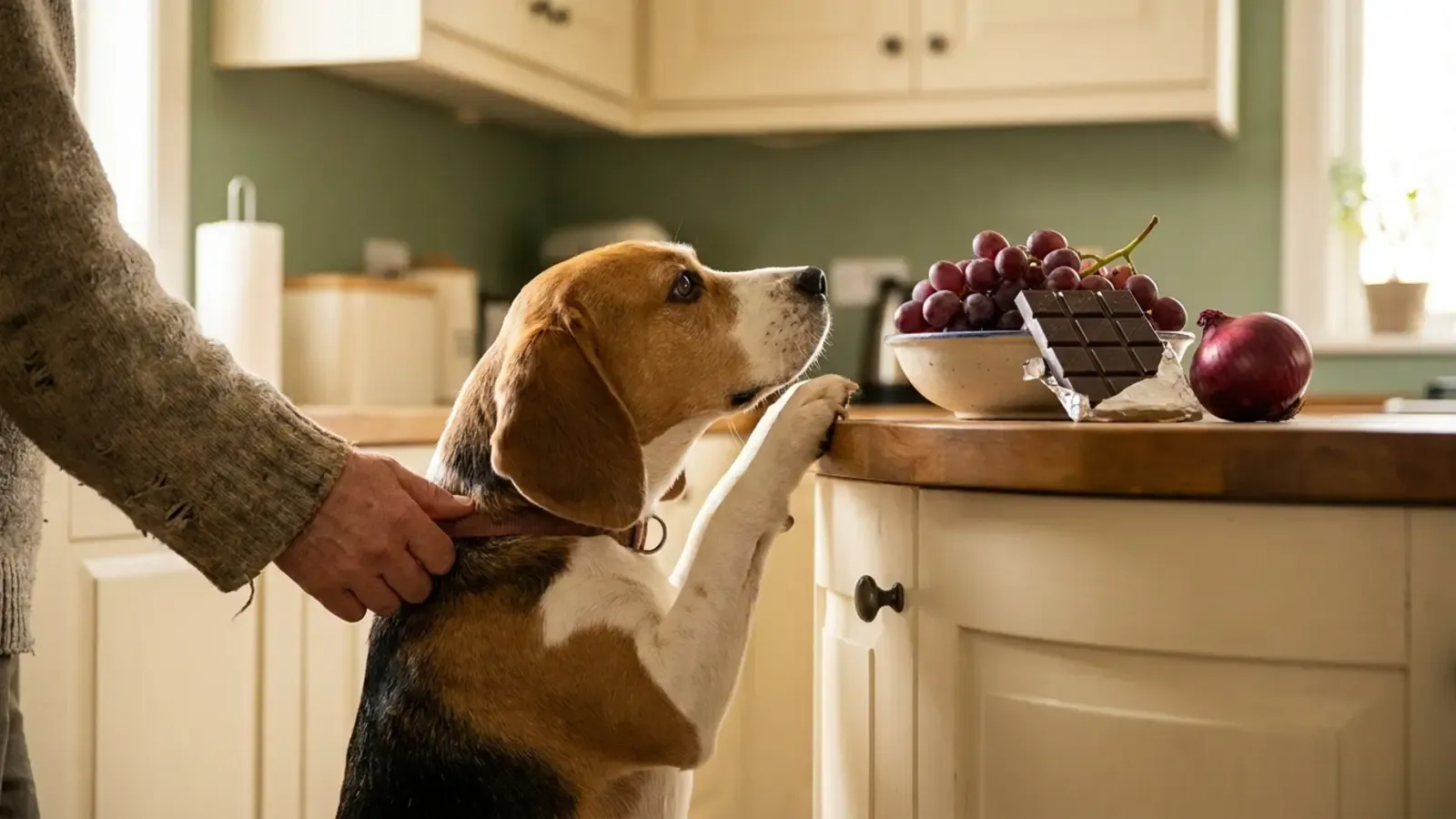 Foods toxic to dogs
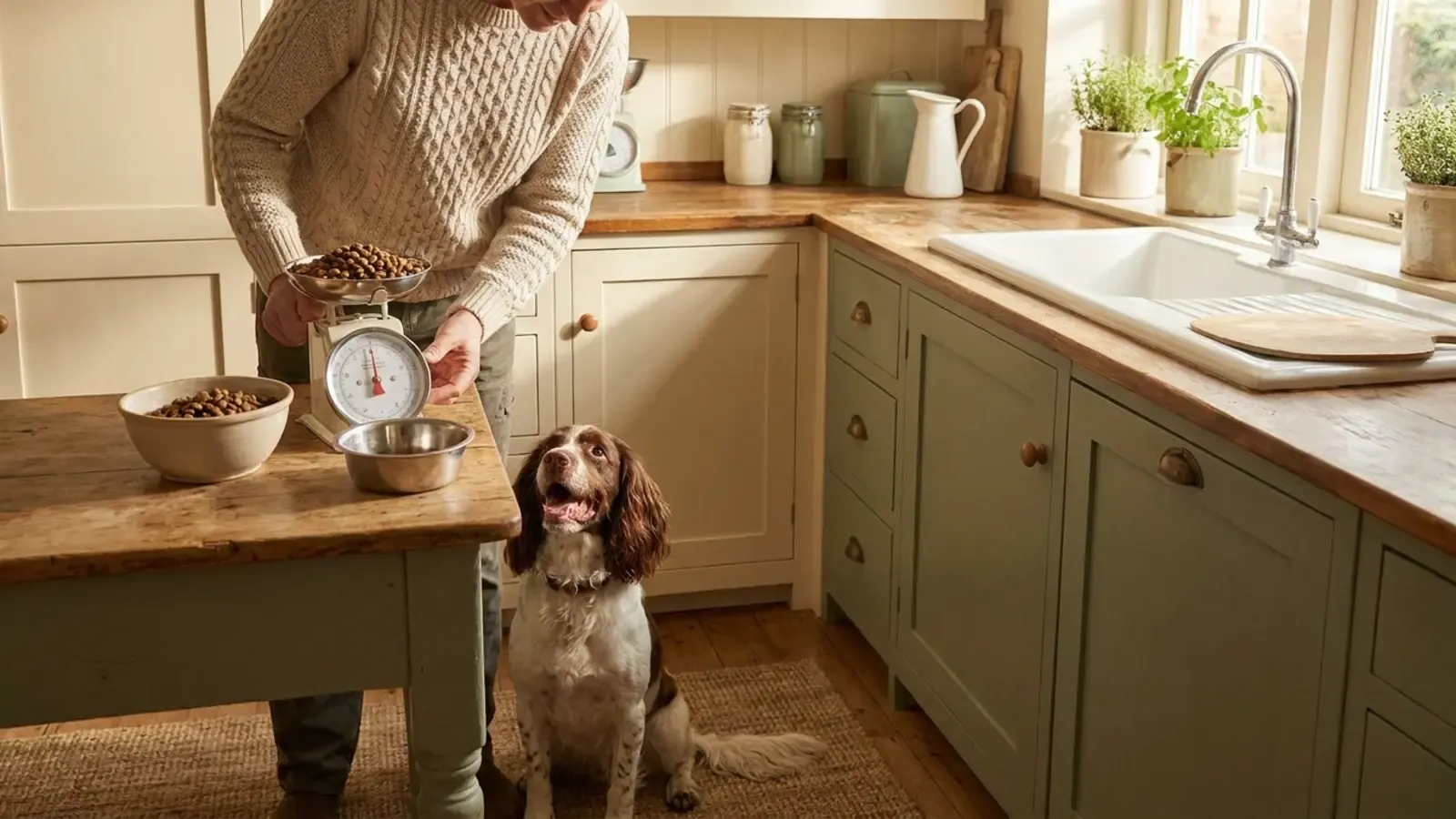 How many calories does my dog need?
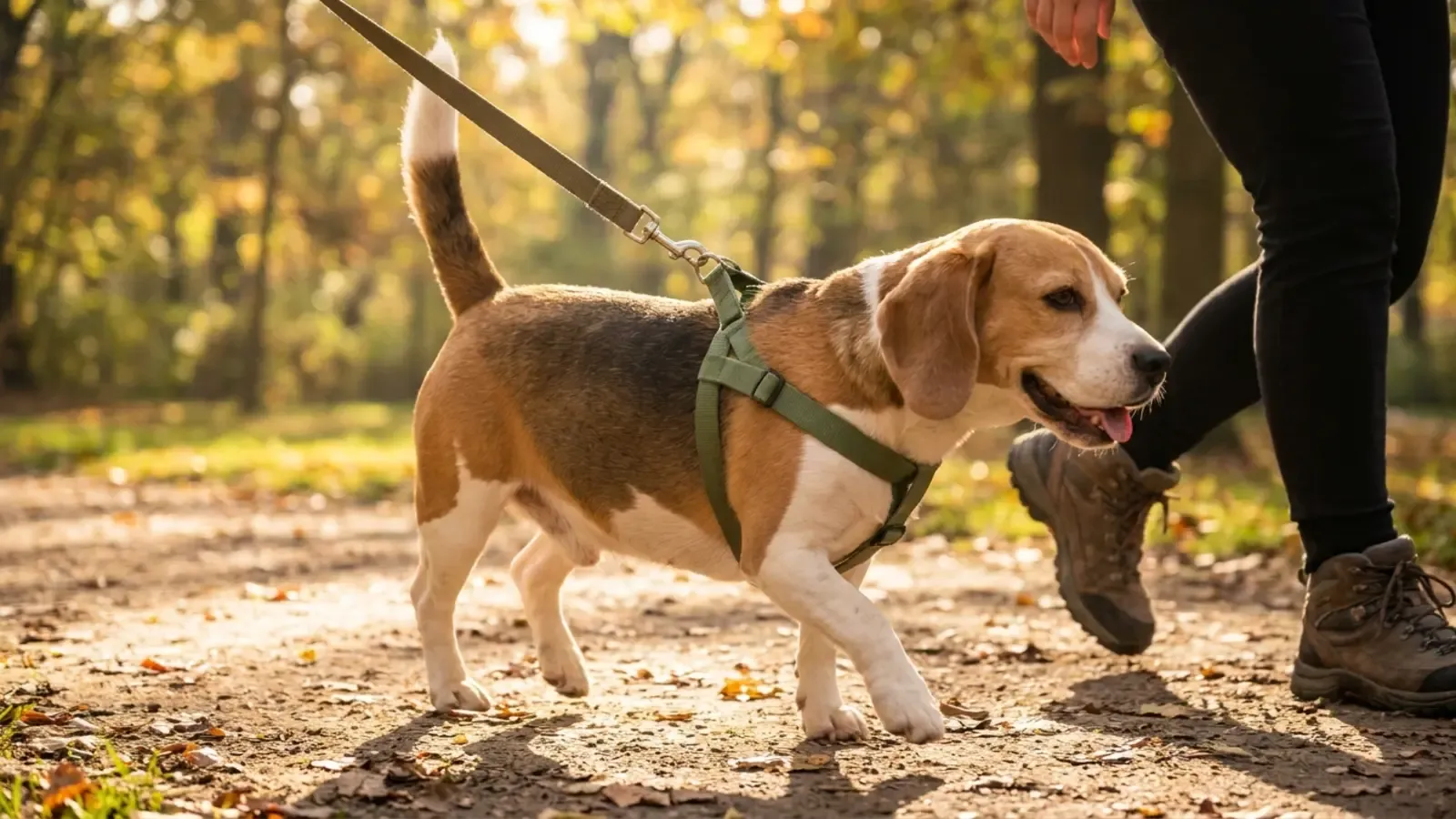 How to help your dog lose weight