
Foods toxic to cats
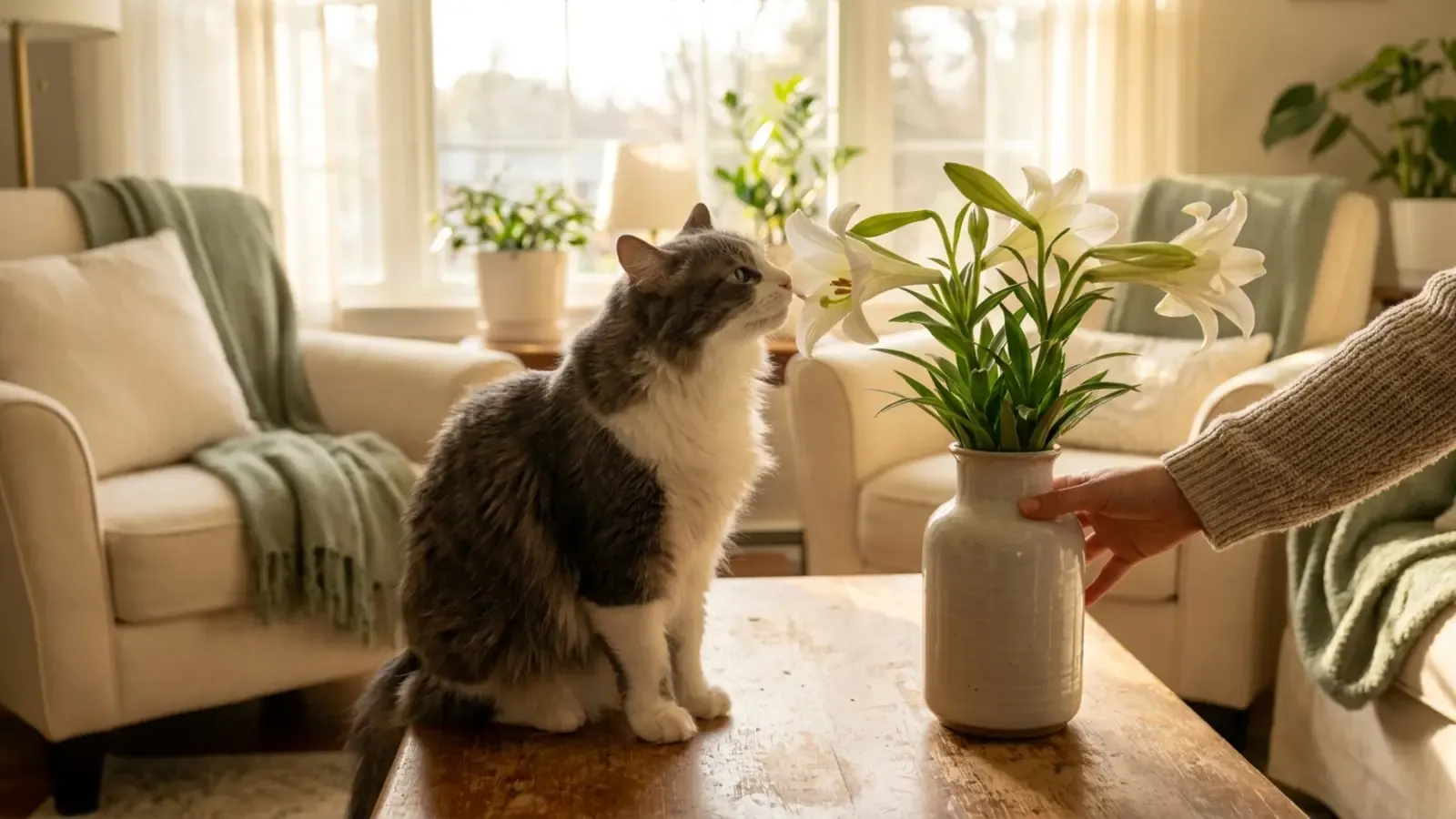
The foods most dangerous to cats are onions, garlic, leeks and chives, chocolate, caffeine, alcohol, raw yeast dough and grapes and raisins. One thing in the kitchen is even more dangerous than any food: lilies. A small amount of a lily, even pollen licked off the fur, can cause fatal kidney failure in a cat. If your cat has eaten or touched any of these, call your vet or a pet poison helpline now, and don’t try to make them sick at home.
Cats are pickier than dogs, so they eat toxic food less often, but they are often more sensitive when they do.
If your cat has eaten something toxic
- Move your cat away and remove what is left. If pollen is on the fur, stop them grooming and ask your vet how to clean it off.
- Call your vet or an emergency clinic. If you can’t reach one, call a pet poison line:
- US: ASPCA Animal Poison Control, (888) 426-4435, or Pet Poison Helpline, (855) 764-7661. Both are 24-hour and may charge a consultation fee.
- UK: Animal PoisonLine, 01202 509000, the 24-hour owner line of the Veterinary Poisons Information Service (fee per case).
- Have the details ready: what, how much, when, and your cat’s weight. Bring the packaging, or the plant or a photo of it.
- Don’t induce vomiting at home. VCA is clear that it isn’t advisable to try to make cats vomit yourself. Your vet can do it safely if it’s needed.
- Don’t wait for signs. Lilies, onions and painkillers can all look harmless at first.
Lilies: the one every cat owner should know
True lilies (Lilium) and daylilies (Hemerocallis) are among the most dangerous plants for cats. The FDA names Asiatic, Easter, Japanese show, Oriental, rubrum, stargazer, tiger and wood lilies, and daylilies.
- Every part is toxic: petals, leaves, stems, pollen, and even the water in the vase.
- A tiny amount is enough. A cat that brushes past a bouquet and licks the pollen off its coat can be poisoned.
- The timeline: drooling, vomiting, hiding and not eating in the first 12 hours; signs of kidney damage by 12–24 hours; kidney failure within 1–3 days. The FDA notes that treatment delayed 18 hours or more generally leads to irreversible kidney failure, while early treatment greatly improves the outlook.
The simplest rule: if you have a cat, don’t bring lilies into the house, and ask friends not to send them. Other plants called lilies are less dangerous but not harmless: lily of the valley can affect the heart, and peace lilies and calla lilies irritate the mouth.
Foods toxic to cats: the list
| Food | What it does | How serious |
|---|---|---|
| Onions, garlic, leeks, chives, shallots (raw, cooked or powdered; in gravy, stock, soups, baby food) | Damage red blood cells, causing anaemia: weakness, pale gums, fast breathing, sometimes red urine. Cats are more susceptible than dogs. Can take days to show | Serious |
| Chocolate and cocoa | Theobromine and caffeine: vomiting, diarrhoea, restlessness, racing heart, tremors. Darker is worse | Serious |
| Caffeine (coffee, tea, energy drinks, caffeine tablets) | Similar to chocolate: restlessness, fast heart, tremors | Serious |
| Alcohol (drinks, fermenting dough, some desserts) | Vomiting, wobbliness, drowsiness, breathing problems. Cats are small, so it takes very little | Serious; can be fatal |
| Raw yeast dough | Expands in the stomach and produces alcohol | Serious |
| Grapes, raisins, currants | Cause kidney failure in dogs. It isn’t known whether they do the same in cats, so vets advise avoiding them | Treat as serious |
| Xylitol (sugar-free gum and sweets) | Very dangerous to dogs; its effect in cats is less clear, so keep it away | Ask your vet |
| Raw fish | Some raw fish contains an enzyme that destroys thiamine (vitamin B1); fed often, it can cause a deficiency with neurological signs. Can also carry bacteria | Serious if regular |
| Raw meat and raw eggs | Can carry Salmonella and E. coli, which can also pass to people | Mild to serious |
| Milk and dairy | Most adult cats don’t digest lactose well: diarrhoea, stomach upset | Mild |
| Fat trimmings, cooked bones | Stomach upset and possible pancreatitis; bones can splinter or block the gut | Mild to serious |
| Salty snacks in quantity | Raised blood sodium: vomiting, thirst, tremors | Serious in large amounts |
| Dog food as a regular diet | Not harmful as a one-off, but it isn’t made for cats, who need more protein and nutrients such as taurine | Serious if long term |
Not food, but in the kitchen and bathroom
- Human painkillers. Paracetamol (acetaminophen) can be fatal to a cat from a single tablet, VCA warns. Ibuprofen and aspirin are also dangerous. Never give your cat any human medicine unless your vet prescribes it, and pick up dropped pills straight away.
- Dog flea treatments containing permethrin can be deadly to cats. Only use products made for cats.
- Essential oils, especially tea tree oil, can poison cats from a single drop of a concentrated product, swallowed or on the skin.
- Cleaning products, antifreeze, slug pellets and rat bait are all dangerous; keep them shut away.
Safe in small amounts
If you want to share, these are generally fine as an occasional small treat for a healthy cat. Keep all treats to no more than about 10% of the day’s calories, and nothing seasoned:
- Plain cooked chicken or turkey, no skin, bones or seasoning
- Plain cooked white fish or salmon, boneless
- Tuna in spring water (not brine or oil), now and then
- Cooked egg, scrambled or boiled, without butter or salt
- Plain cooked pumpkin
- Small amounts of cooked carrot, green beans, peas or cucumber (many cats ignore vegetables, and that’s fine)
Cats are strict carnivores, so a complete cat food should make up almost all of what they eat. See how much to feed a cat for portions.
Signs your cat may have eaten something toxic
Vomiting, drooling, pawing at the mouth, diarrhoea, hiding, not eating, wobbliness, trembling, fast or difficult breathing, pale or yellow gums, or a sudden change in thirst or peeing. Any of these after possible access to a toxin is a reason to call your vet right away. For vomiting without a known cause, see cat throwing up.
PetTrackr helps you keep track. It is not veterinary advice: if your pet seems unwell, call your vet.
 How many calories does a cat need?
 How to help your cat lose weight