
Kitten vaccination schedule

Kittens need a short series of vaccines in their first months, then boosters to keep them protected. Here is the schedule most vets follow, including the vaccines indoor cats still need.
Your vet will tailor the plan to your kitten, your area and local rabies law. Use this as a guide for the conversation.
Why kittens need several doses
Antibodies from the mother’s milk protect a kitten early on, but they also stop vaccines from working until they fade, and nobody can tell exactly when that happens. So kittens get a dose every 3–4 weeks, with the final one at 16 weeks or older, making sure one dose counts.
Core vaccines: every kitten
FVRCP is one injection covering three diseases:
- Feline viral rhinotracheitis (feline herpesvirus), a common cause of cat flu
- Calicivirus, another cat flu virus that can cause mouth ulcers
- Panleukopenia (feline parvovirus), severe and often fatal in kittens
Rabies is core where the disease exists or the law requires it.
Feline leukaemia virus (FeLV) is recommended for all kittens by the AAHA/AAFP guidelines, because a kitten’s future lifestyle isn’t known yet and young cats are most vulnerable. After the first year, it depends on whether your cat goes outside or lives with cats that do.
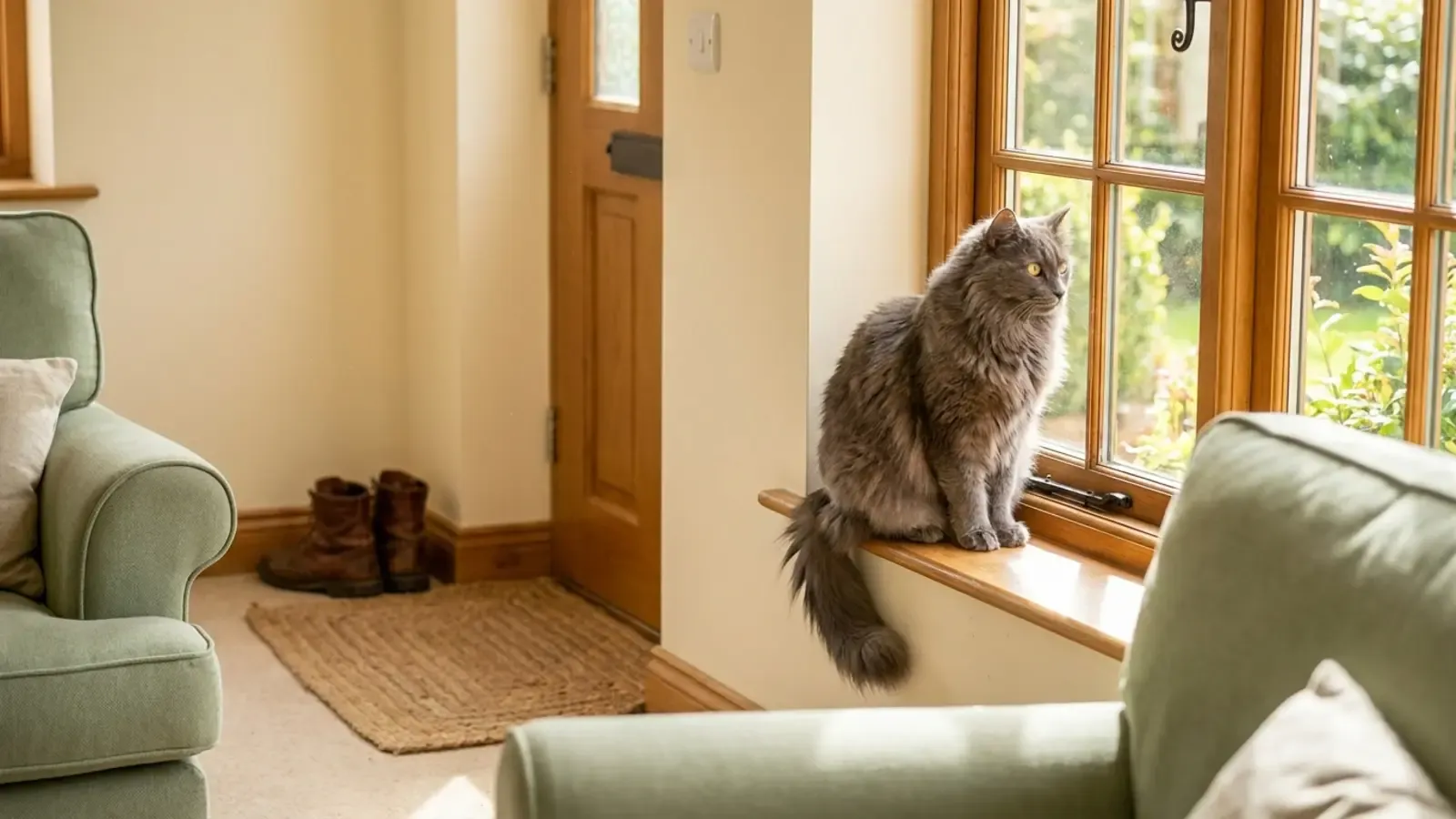
Indoor cats still need vaccines
Panleukopenia virus survives for months and can come in on shoes and clothes, and cats escape or need boarding or a vet stay. Core vaccines are recommended for indoor cats too; FeLV after the first year is the one that becomes optional.
The schedule, week by week
| Age | Vaccines |
|---|---|
| 6–8 weeks | FVRCP, first dose |
| 9–12 weeks | FVRCP, second dose. FeLV, first dose (from 8 weeks), after a FeLV test |
| 12–16 weeks | FVRCP, third dose. FeLV, second dose. Rabies, timing set by local law |
| 16 weeks or later | Final FVRCP dose if the last one was before 16 weeks |
| 6 months | FVRCP booster, recommended by WSAVA |
| 1 year | FeLV booster. Rabies booster. FVRCP if not given at 6 months |
| After that | FVRCP every 3 years. Rabies every 1 or 3 years by vaccine and law. FeLV every 1–2 years for cats at risk |
Keeping track
Boosters every few years are easy to lose track of. Keep each certificate, note when each vaccine is next due, and set a reminder. In PetTrackr, every vaccine carries its own due date, the app checks your cat has the core vaccines on file, and it reminds you before anything lapses.
PetTrackr helps you keep track. It is not veterinary advice: if your pet seems unwell, call your vet.
 Adult cat vaccination schedule
 Deworming schedule for puppies and kittens
 Do indoor cats need vaccines?